.svg)
.svg)
.svg)
Thinking About Ceramic Coating for Your Vehicle?
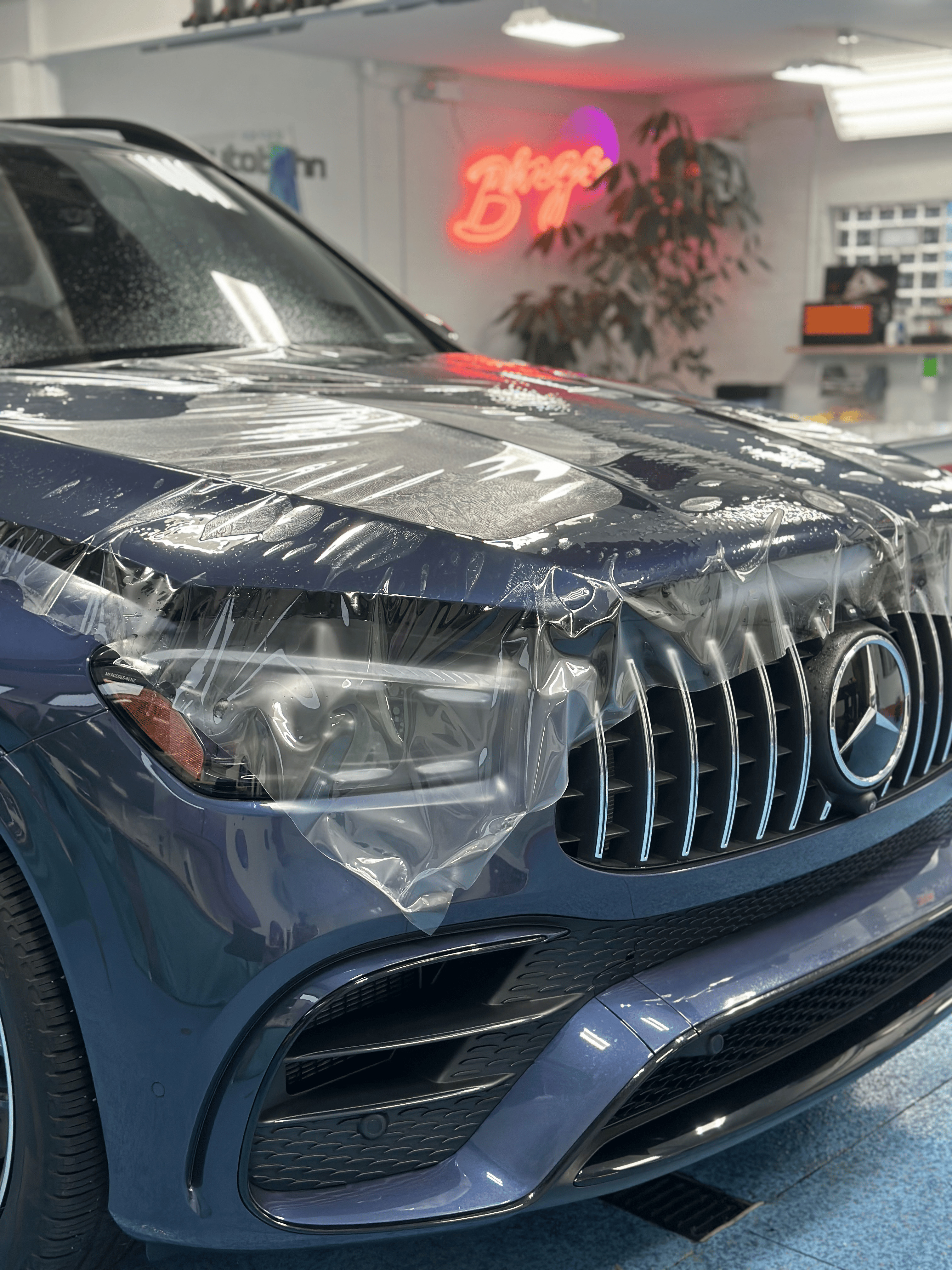
Paint Protection Film (PPF) is presented as the essential base for vehicle care, providing physical defense against impacts like rock chips that ceramic coatings alone cannot offer. Combining PPF with a ceramic coating creates a shield for impact resistance, a high-gloss finish, and easier maintenance, while also preserving vehicle value.
If you’re shopping protection options for your car’s paint, ceramic coating probably topped your list — and for good reason. It adds gloss, helps repel contaminants, and makes washing easier. But before you commit, consider starting with paint protection film (PPF). Better yet: have PPF professionally installed first, then we’ll apply a ceramic coating on top for the ultimate, long-lasting protection.
Why PPF First?
- Superior impact protection: PPF is a durable, transparent thermoplastic polyurethane film that physically shields your paint from rock chips, road debris, and minor abrasions — damage a ceramic coating alone won’t stop.
- Self-healing surface: Many high-quality PPFs have self-healing properties that close minor swirl marks and light scratches with heat from the sun or a warm garage.
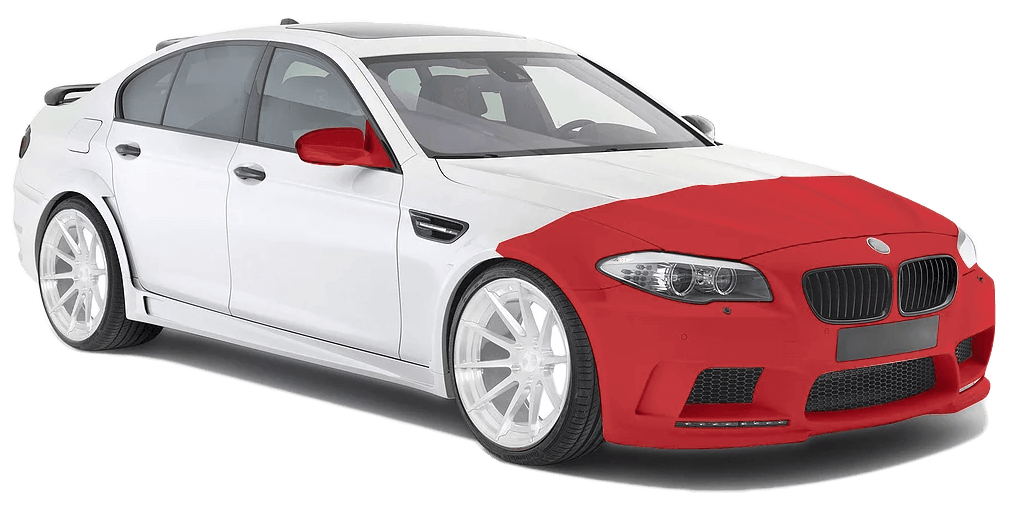
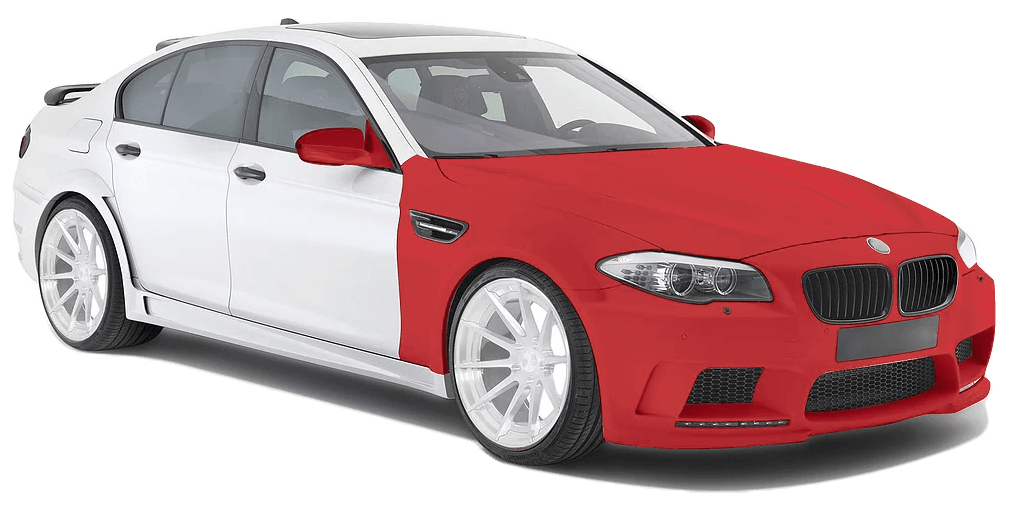
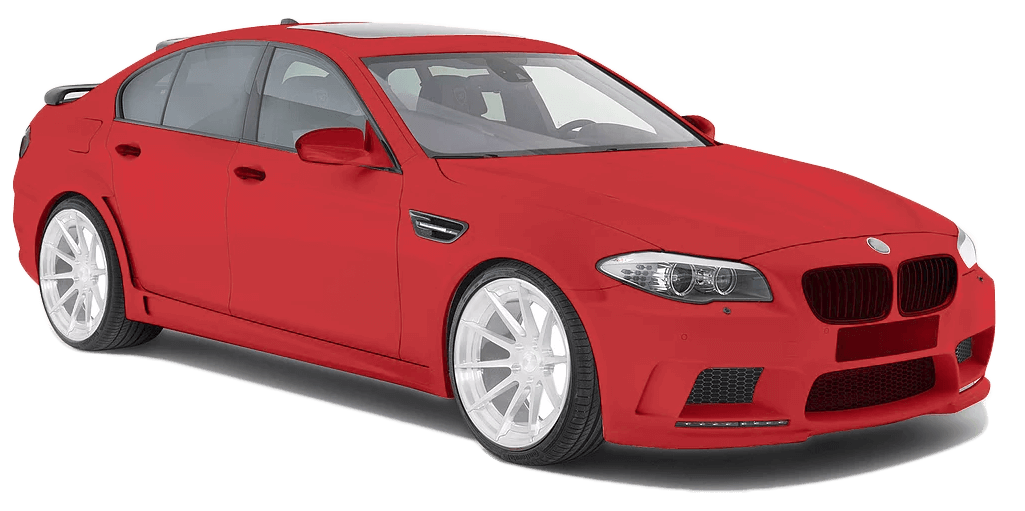
- Edge-to-edge coverage options: PPF can be tailored to protect high-risk areas (front bumper, hood, fenders, side mirrors) or installed full-vehicle for maximum coverage.
- Reversible and repairable: If a section is badly damaged, that panel’s film can be replaced without touching the paint beneath.
Why Add Ceramic Coating After PPF?
- Amplified gloss and hydrophobic performance: A ceramic coating on top of PPF enhances water beading, stain resistance, and depth of shine beyond film alone.
- Easier maintenance: The combo means quicker, safer washes with less risk of trapping grit against the paint, reducing wash-induced scratches.
- Longevity: PPF handles the impact protection and the coating focuses on chemical resistance and slickness — together they extend the service life of both layers.
- Protects the film: The ceramic top layer helps keep the film cleaner and more resistant to contaminants like bird droppings, tree sap, and iron fallout.
Common Misconceptions
- “Ceramic coating prevents chips.” No — ceramic coatings are not a barrier against rock chips or heavy abrasion. PPF provides the physical protection your coating can’t.
- “PPF hides paint imperfections.” While thick PPF can mask minor defects, it won’t fix serious paint damage. A proper paint correction before installation is still recommended.
- “Too glossy or obvious?” Modern PPFs are optically clear and, when professionally installed and coated, look factory-fresh — often enhancing depth and shine without an overdone appearance.
The Best Workflow
- Paint inspection and correction (if needed).
- Professional PPF installation, panel-by-panel or full-vehicle depending on needs and budget.
- Final cleaning and precise ceramic coating application over the cured film. This sequence ensures adhesion, minimizes trapped contaminants, and provides the most durable, attractive result.
Who Should Choose This Combo?
- Commuters and long-distance drivers who encounter highway debris.
- Enthusiasts who want a lasting showroom finish with minimal maintenance.
- Owners of high-value or leased vehicles who want to preserve resale value.
- Anyone who wants the practical protection of film plus the hydrophobic, glossy finish of a ceramic coating.